CMS Equip: The Definitive Guide to Modern Content Management Infrastructure
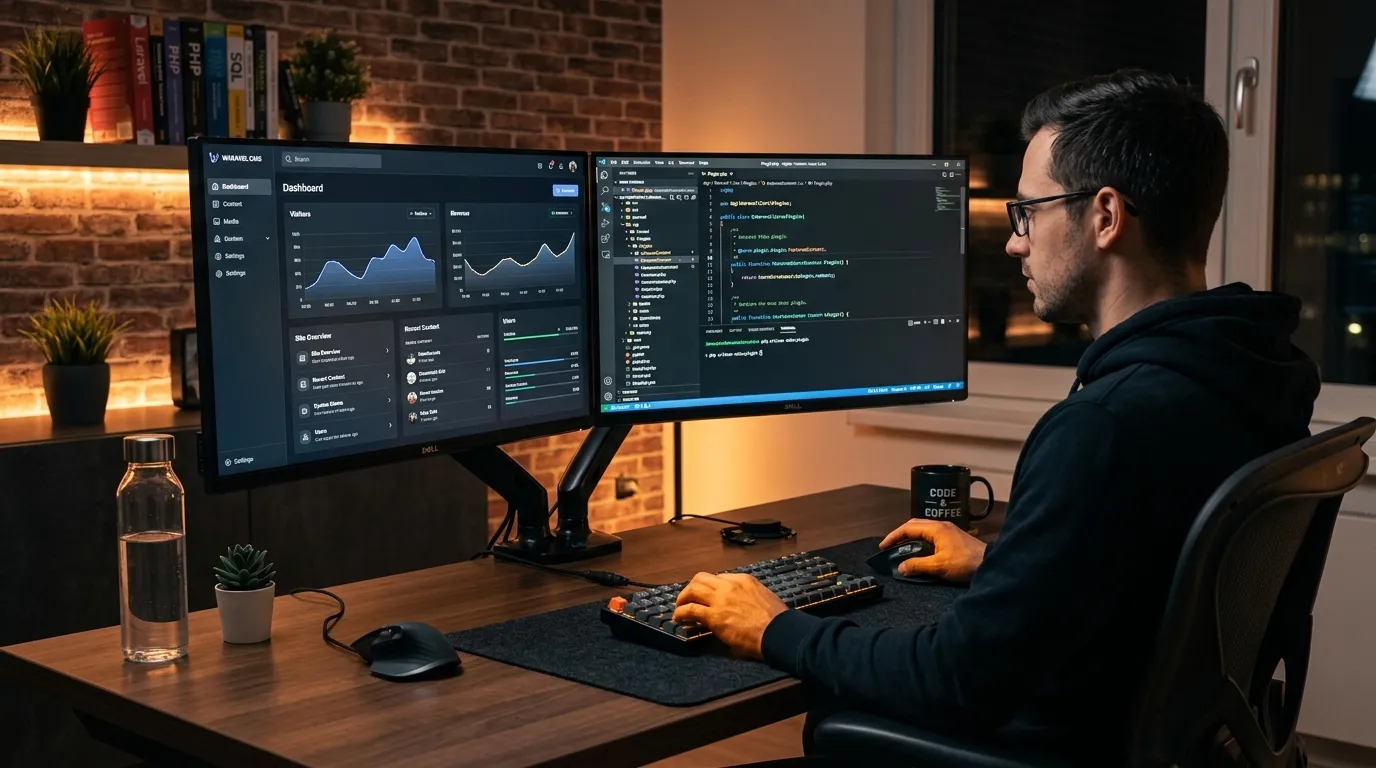
In the digital era, your Content Management System (CMS) is more than just a publishing tool—it's the foundational equipment powering your brand's voice, customer engagement, and operational agility. CMS Equip refers to the complete ecosystem of software, tools, personnel, and strategies required to build, manage, and scale a superior digital presence. This comprehensive guide delves into the critical components, from selecting the right platform and hiring expert talent, to advanced integrations and future-proofing your stack. Whether you're migrating from WordPress or building anew on a robust framework like Laravel, equipping your team correctly is the single most important investment you can make.
Navigating the CMS Landscape: A Multi-Category Overview
Choosing your CMS equipment isn't a one-size-fits-all decision. It requires a strategic analysis of your project's scale, technical requirements, and team capabilities. The following interactive breakdown helps you evaluate the primary categories.
Enterprise CMS Equipment
For large organizations, CMS equip must prioritize security, scalability, and complex workflow management. Platforms must integrate with legacy systems, support multi-site management, and offer robust governance controls.
Pro-Tip: Security First
Enterprise platforms like a properly configured Laravel Platform offer inherent security advantages over monolithic CMSs, reducing vulnerability surfaces. Regular audits and a dedicated security hire are non-negotiable.
Key Consideration
Total Cost of Ownership (TCO) includes not just license fees, but also ongoing maintenance, developer rates, and the cost of performance optimisation for high-traffic loads.
Developer-First CMS Tools
Frameworks like Laravel empowered by CMS layers (e.g., Waravel) equip developers with unparalleled flexibility. This category prioritizes clean code, customizability, and modern tooling like Composer for dependency management. Finding a composer educated in Gloucester or any specialist region becomes a strategic hiring advantage, ensuring local best practices are applied.
The shift from rigid systems to flexible frameworks is accelerating. Our resource on Laravel CMS Comparison provides a detailed analysis to guide your technical selection.
Agile & Headless CMS
Decoupling the content backend from the presentation layer (frontend) offers immense flexibility for omnichannel publishing. This requires equipment focused on APIs, real-time updates, and frontend framework expertise.
Successful headless implementations rely heavily on a cohesive team. A well-executed Strategic Brand Building Guide becomes crucial to maintain consistency across all consumer touchpoints when using a headless approach.
Specialist Hiring & Team Assembly
Your tools are only as good as the team operating them. CMS Equip inherently includes the talent strategy to build, manage, and evolve the system. This involves hiring for specific roles: Laravel developers, frontend integrators, content strategists, and DevOps engineers.
Platform-specific knowledge is key. For instance, migrating an existing site requires experts familiar with processes like those outlined in WordPress to Laravel migration without data loss.
Core Benefits of Strategically Equipped CMS
Investing in the right CMS infrastructure yields tangible returns across your organization. Here are the key benefits delivered by a professionally equipped system.
Enhanced Security Posture
Modern frameworks like Laravel are built with security-first principles, offering protection against SQL injection, XSS, and CSRF out-of-the-box. Moving from a legacy CMS can dramatically reduce incident rates, as evidenced by case studies showing an 85% reduction in security incidents. Proper equipment includes regular updates, security-focused hosting, and trained personnel.
Unmatched Performance & Scalability
A lean, well-architected CMS stack serves content faster, improving user experience and SEO rankings. Efficient caching strategies, optimized databases, and scalable cloud infrastructure are core components of high-performance CMS equip. This directly impacts business metrics, with some migrations leading to a 31% increase in conversions. Tools and expertise for ongoing performance optimisation are critical.
Total Cost of Ownership Control
While initial investment might be higher, a properly equipped modern CMS reduces long-term costs associated with licensing fees, premium plugins, security breaches, and developer frustration. Open-source frameworks eliminate vendor lock-in. Understanding the true comparison, like the hidden costs of WordPress vs Laravel, is essential for financial planning and justifying the hire of specialized talent.
Deep Dive: Building Your CMS Equipment Stack
Assembling a winning CMS stack requires a methodical approach across four pillars: Platform, Talent, Integrations, and Process.
1. Platform Selection: Beyond the Basics
The core software decision sets the trajectory for years. Key evaluation criteria include:
- Architecture: Monolithic, decoupled, or headless? A headless Laravel backend offers maximum flexibility for modern web apps.
- Ecosystem & Packages: Availability of quality packages via Composer (PHP's dependency manager) accelerates development. A composer educated in Gloucester will be adept at leveraging these tools within local development environments.
- Development Experience: Developer happiness impacts productivity and retention. Frameworks with elegant syntax and powerful tools attract top talent.
- Migration Path: If you have existing content, tools like the WordPress Migration Tool from Waravel can de-risk the transition, preserving SEO and data integrity.
2. The Talent Equation: Hiring Your CMS Crew
Your platform is inert without skilled operators. Building your team involves strategic hiring:
Essential Roles for a Modern CMS Team:
- Laravel/CMS Backend Developer: Builds core logic, integrations, and custom modules. Requires deep PHP and framework knowledge.
- Frontend Integrator: Specializes in bringing designs to life within the CMS, using Blade, Livewire, or JavaScript frameworks.
- DevOps/SysAdmin: Manages deployment, server configuration, scaling, and CI/CD pipelines. Critical for uptime and performance.
- Content Strategist/Editor: Maximizes the value of the CMS by structuring content models, workflows, and training non-technical users.
Pro-Tip: Don't just hire for generic skills. Look for experience with your specific stack (e.g.,"Waravel,""Laravel Cashier"). Leverage niche job boards and be ready to post a detailed job spec to attract qualified candidates.
3. Integrations & Extensibility
Your CMS rarely lives in isolation. It must connect with CRMs, ERPs, payment gateways, marketing automation, and analytics. A modern Laravel-based CMS excels here due to its clean API design and vast package ecosystem. For example, integrating payment processing is streamlined using packages like Laravel Cashier. Planning these integrations upfront informs both technical design and hiring needs.
Key Takeaways & Checklist
- Audit your current CMS pain points and future goals before selecting new equipment.
- Factor in the full talent cost, not just software licenses.
- Prioritize security and performance from day one.
- Plan your content migration strategy meticulously to avoid data loss and SEO damage.
- Start building your team early. Use a platform-specific job post to attract the right experts.
Ready to Equip Your Team?
The most strategic move you can make today is to secure the talent that will bring your CMS vision to life.
Post Your CMS Job NowFrequently Asked Questions: CMS Equip
Get expert answers to common questions about building and managing a modern content management system infrastructure.
The most common and costly mistake is underestimating the talent requirement. Companies invest in powerful software but lack the in-house or contracted expertise to implement, customize, and maintain it effectively. This leads to underutilization, security gaps, and frustrated users. Your CMS is a high-performance vehicle; you need a skilled driver. Always budget for and hire the right team concurrently with your platform selection.
For growing businesses with custom functionality needs, higher traffic, or security concerns, the migration is often a transformative investment. The"effort" is significantly mitigated by automated tools like those from Waravel, which handle the content, user, and SEO migration seamlessly. The return comes in the form of faster site speeds, reduced ongoing maintenance costs, a more secure platform, and the ability to build truly custom features without plugin bloat.
The key is to work with developers experienced in the process to avoid pitfalls.
This phrase indicates a PHP developer who is proficient in using Composer, the essential dependency manager for PHP. It signifies they understand modern PHP development workflows: managing project libraries, autoloading, handling version constraints, and integrating third-party packages safely. A"composer educated in Gloucester" developer would possess this specific, valuable skill set within the local or regional context. This is a key hiring filter for Laravel and modern CMS projects, as opposed to developers only familiar with manual includes or older systems. For more on developer tools, see our guide to essential Laravel packages.
Frame the investment in terms of risk reduction and opportunity enablement. Present data on:
- Security Risk: Quantify the potential cost of a data breach or downtime vs. the cost of a secure platform and expert team.
- Opportunity Cost: Highlight how a slow, inflexible CMS prevents marketing campaigns, sales initiatives, and new product launches. Showcase case studies, like those found on our case studies page, where upgrades led to direct revenue increases.
- Total Cost of Ownership (TCO): Compare the 3-5 year cost of your current system (licenses, plugins, emergency fixes) with a modern, open-source stack and a dedicated team. Often, the modern stack is cheaper and far more capable.
Equip Your Business for Digital Success
Your journey to a powerful, secure, and scalable CMS starts with the right team. Stop compromising with inadequate tools and talent gaps.
Whether you're planning a migration to a Laravel powerhouse like Waravel, building a new digital experience from scratch, or need to augment your existing team with a composer educated expert, taking action today sets the foundation for years of growth.
Explore our resources to inform your strategy: Laravel CMS Like WordPress, Core Features of Waravel, Terms of Service.
Case Study: From Monolithic CMS to Agile Laravel Stack
To understand the tangible impact of strategic CMS equipment, consider the journey of"Vertex Digital," a mid-sized e-commerce and content publisher. They operated on a legacy monolithic CMS, struggling with slow page loads (~4s), a cluttered plugin ecosystem, and an inability to launch new site features without costly developer overruns.
The Strategic Re-equipment Process
Vertex didn't just switch software. They executed a holistic re-equipment strategy over six months:
- Audit & Blueprinting: They mapped every custom functionality and integration, separating core needs from"nice-to-haves." This blueprint became the spec for their new Laravel-based CMS build and the hiring profile for their team.
- Phased Talent Onboarding: Before writing code, they hired a Lead Laravel Developer and a DevOps Engineer. This core team selected the final stack (Waravel for CMS layer, Livewire for dynamic interfaces, Laravel Forge for deployment) and established development protocols.
- Parallel Build & Migration: Using automated migration tools, they moved content and users to the new staging environment while the core platform was being built. This concurrency shaved months off the timeline.
- Performance as a Priority: The DevOps engineer implemented a full caching strategy (Redis for data, CDN for static assets) and optimized database indices from day one.
Quantifiable Results
- 82% Faster Load Times: Average page load dropped to 0.7s, directly boosting SEO and conversion rates.
- 40% Reduction in Monthly OpEx: Eliminated license fees for 15+ premium plugins and reduced emergency support costs.
- Developer Velocity Increased 3x: New features, like a custom loyalty program, were built in weeks, not months.
This case underscores that success lies in the orchestration of tools and talent. The right platform enabled the developers, and the skilled developers maximized the platform's potential. Vertex’s strategic hire of a composer educated lead developer was pivotal in effectively leveraging Laravel's package ecosystem to rebuild features without reinventing the wheel.
Advanced CMS Equip: Beyond the Foundation
Once your core CMS stack and team are operational, advanced equipment considerations can unlock further competitive advantages and operational resilience.
1. AI & Automation Integration
Modern CMS infrastructure is increasingly augmented by AI. This isn't about replacing your team but equipping them with powerful assistants.
- Content Intelligence: Tools that analyze content performance and suggest SEO optimizations or content gaps directly within the CMS editor.
- Automated Asset Management: AI-powered image tagging, alt-text generation, and responsive image size generation upon upload, drastically reducing manual workload.
- Predictive Personalization: Integrating headless CMS content with machine learning engines to dynamically serve personalized content blocks based on user behavior.
Implementing these features requires hiring or training developers with skills in API integration and data structures, moving your team from maintainers to innovators.
2. Disaster Recovery & Compliance Stack
For enterprises, CMS equipment must include robust disaster recovery (DR) and compliance tooling. This is a critical, often overlooked, part of the stack.
Essential DR & Compliance Tools:
- Automated, Off-Site Backups: Real-time database and file backups to a separate cloud region or provider.
- Staging/Production Parity: Automated deployment pipelines that ensure the staging environment is an exact replica for safe testing.
- Audit Logging: Comprehensive logs of all content changes, user logins, and administrative actions for GDPR, SOC2, or internal governance.
This layer often necessitates a dedicated Security & Compliance Officer role or a contracted specialist who can configure and monitor these systems, turning your CMS from a potential liability into a demonstrable asset during audits.
The Future-Proof CMS Team: Skills to Hire For Tomorrow
The technology landscape evolves rapidly. When hiring for your CMS team, looking for foundational skills is essential, but you must also assess a candidate's capacity for growth and alignment with future trends.
| Role | Foundational Skill (Today) | Emerging Competency (Tomorrow) | Hiring Question to Ask |
|---|---|---|---|
| Backend Developer | Proficiency in Laravel, Eloquent ORM, RESTful API design | Experience with GraphQL implementations, microservices architecture, and serverless PHP (e.g., Laravel Vapor) | "How would you architect a CMS to serve content simultaneously to our website, a mobile app, and a digital kiosk?" |
| Frontend Integrator | Mastery of Blade templating, Tailwind CSS, and basic JavaScript | Deep knowledge of a frontend framework (React, Vue) for headless implementations and state management for complex real-time interfaces | "Walk me through how you would build a real-time content preview feature for editors in a decoupled CMS setup." |
| DevOps Engineer | CI/CD pipeline mastery (GitHub Actions, GitLab CI), server management (Forge, Envoyer) | Infrastructure as Code (Terraform), advanced container orchestration (Kubernetes), and predictive scaling using observability tools | "Our traffic spikes 500% during promotions. Describe the auto-scaling and monitoring strategy you'd implement." |
Building a future-proof team means hiring learners and problem-solvers. Encourage continuous education and provide access to resources like the latest Laravel package guides. This proactive approach to talent management ensures your CMS equipment—both human and technical—adapts and thrives amidst change, securing your digital investment for the long term.