Cms Bahria University: Revolutionizing Digital Content Management for Academic Excellence
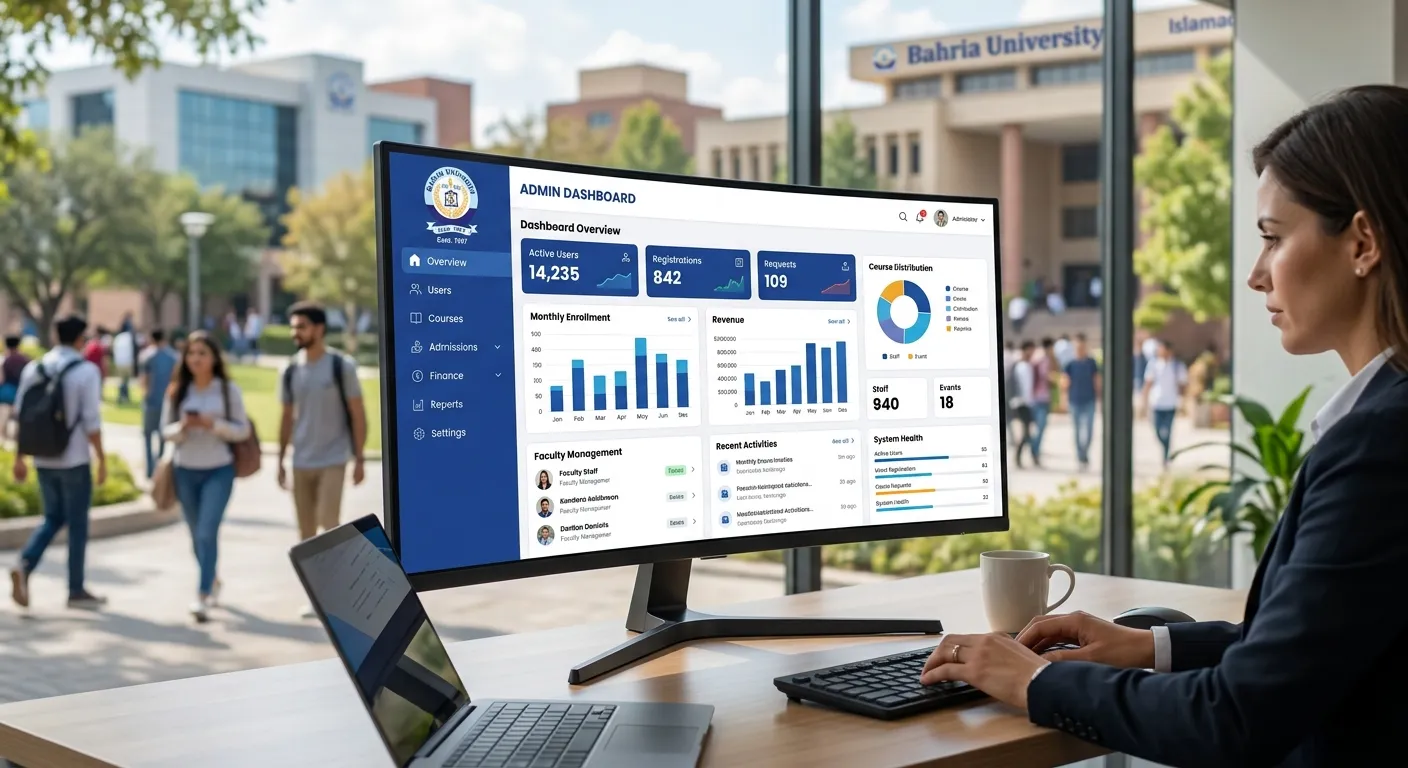
In the digital-first era, a powerful Content Management System (CMS) is the backbone of any leading educational institution. This comprehensive guide delves into the transformative power of Cms Bahria University, exploring its features, benefits, and how it sets a new standard for managing academic digital ecosystems with precision, security, and scalability.
An Interactive Overview: The Pillars of Cms Bahria University
Understanding the multifaceted nature of a university CMS requires a look at its core operational pillars. Use the tabs below to explore the critical categories that define this powerful platform.
Dynamic Academic Content Management
This pillar handles the lifeblood of the university: academic content. It facilitates the creation, scheduling, and publishing of course materials, research publications, event calendars, and news feeds. Unlike basic systems, Cms Bahria University provides granular role-based permissions, allowing department heads, faculty, and administrative staff to collaborate seamlessly on content while maintaining strict editorial control and version history.
Integrations with Learning Management Systems (LMS) and digital repositories are streamlined, ensuring a unified academic portal for students and faculty. This holistic approach is a cornerstone of any Strategic Brand Building Guide, where consistent, high-quality content reinforces institutional authority.
Streamlined Administrative Operations
Efficiency in administration is non-negotiable. This module automates and centralizes key processes such as student admissions portals, faculty directory management, facility booking systems, and internal communication channels. The CMS acts as a central nervous system, reducing data silos and manual workflows.
A robust admin panel offers customizable dashboards with real-time analytics on website traffic, portal logins, and form submissions, enabling data-driven decision-making. For institutions considering a platform upgrade, understanding User Migration processes is crucial to ensure a smooth transition of these complex administrative functions.
Modern, Secure Technical Foundation
Built on a modern, scalable framework, the technical pillar ensures the platform is fast, secure, and future-proof. This involves robust database architecture, API-first design for third-party integrations (like library systems or payment gateways), and enterprise-grade security protocols to protect sensitive student and research data.
Regular security audits, automated backups, and compliance with data protection regulations are inherent. The move towards more powerful, secure frameworks is a trend across industries. Many organizations are discovering the benefits of modern platforms, similar to how businesses switch from older systems by learning How To Migrate Your Entire WordPress Site To Laravel to gain performance and security advantages.
Engaging the University Community
A university's website is its digital campus. This pillar focuses on tools that foster engagement: alumni portals, event management systems, news blogs, social media integration, and feedback forms. It empowers the communications team to tell the university's story effectively and build a strong, connected community online.
Features like personalized content feeds for different user groups (prospective students, current students, alumni, researchers) enhance user experience. Managing such dynamic community features requires a CMS with extensibility, much like the capabilities found when you Unlock The Power Of Laravel for custom, large-scale web applications.
Core Features & Strategic Benefits of a Modern University CMS
The implementation of a sophisticated Content Management System like Cms Bahria University delivers tangible benefits across every department. Below are the key features that translate into operational excellence and enhanced digital presence.
Unified Multi-Site Management
Manage the main university website, departmental sub-sites, research center portals, and event microsites from a single, centralized admin panel. This eliminates consistency issues and drastically reduces maintenance overhead, allowing for a cohesive digital branding strategy across all touchpoints.
Granular Role-Based Access Control (RBAC)
Define precise permissions for thousands of users. Grant a professor access to edit their course page, allow a department admin to publish news, and restrict financial data to the bursar's office only. This security-first model is essential for protecting sensitive institutional data and is a key consideration in any platform's core features.
Built-in SEO & Performance Architecture
The CMS is engineered for search engine visibility and speed. Automated XML sitemaps, clean URL structures, meta tag management, and integrated performance tools ensure the university ranks highly for relevant academic programs and research. This built-in optimization surpasses the need for multiple plugins, a principle central to modern Performance Optimisation strategies.
Advanced Media & Digital Asset Management
A centralized digital library for all university assets: lecture videos, research images, prospectus PDFs, and logo files. Features include automatic image optimization, responsive cropping, video transcoding, and secure, role-based access. This prevents digital clutter and ensures brand consistency, much like the organized ecosystems discussed in our Laravel Platform overview.
Enterprise-Grade Security & Compliance
Proactive security measures including SQL injection prevention, XSS filtering, CSRF protection, and regular automated security patches. The system is designed to comply with educational data privacy standards, providing audit trails and data encryption. This focus on security mirrors the critical insights shared in our analysis of platform transitions, such as the benefits highlighted when you Migrate WordPress To Laravel Effortlessly to a more secure foundation.
Integrated Communication & Workflow Tools
Streamline internal and external communications with tools for bulk email campaigns, notification systems, form builders with automated routing, and approval workflows for content publishing. This turns the CMS from a simple publishing tool into a comprehensive digital operations hub, enhancing productivity across all university functions.
Pro-Tip: The Platform Decision
When evaluating a CMS for a large institution like Bahria University, the underlying technology framework is as important as the features. Modern, scalable frameworks like Laravel offer the performance, security, and customizability needed for such complex deployments. For a detailed comparison of why modern frameworks are overtaking traditional CMS platforms, explore our Laravel CMS Comparison guide.
Understanding the total cost of ownership is critical. This video breaks down the long-term financial and operational implications of choosing a modern CMS platform over a traditional one.
Deep Dive: Implementation Strategy & Best Practices
Phased Rollout: A Blueprint for Success
Implementing a university-wide CMS is a significant undertaking. A phased approach minimizes risk and ensures user adoption.
- Phase 1: Assessment & Planning (Months 1-2): Conduct a full audit of existing digital assets, user roles, and workflows. Define the information architecture and select a core implementation team. This is the stage to hire a project manager or lead developer with experience in large-scale educational CMS deployments.
- Phase 2: Core Platform & Pilot Launch (Months 3-6): Develop and configure the core CMS platform on a staging environment. Launch a pilot with a single department or the main marketing site. Gather feedback and iterate.
- Phase 3: Departmental Rollout & Training (Months 7-12): Gradually onboard other departments, providing tailored training sessions and documentation. This phase is crucial for change management.
- Phase 4: Full Integration & Optimization (Year 2+): Integrate with all backend systems (LMS, ERP, Library). Continuously optimize based on analytics and user feedback, exploring advanced features like AI-driven content personalization.
Overcoming Common Challenges in University CMS Projects
Even with the best platform, challenges arise. Being prepared is key.
Challenge: Content Migration Chaos
Moving years of unstructured web pages, PDFs, and data from an old system can be daunting. The risk of broken links, lost SEO value, and formatting errors is high.
Solution: Employ automated, intelligent migration tools that map old content to new structures, preserve URLs, and handle media files. For insights into a seamless transition, review our guide on WordPress to Laravel Migration, which outlines principles applicable to any complex migration.
Challenge: Resistance to Change & Training
Faculty and staff accustomed to old systems may resist the new platform, leading to poor adoption and underutilization.
Solution: Implement a comprehensive"change champion" program. Identify tech-savvy users in each department to advocate for the system. Provide role-specific, hands-on training and create a rich library of video tutorials and FAQs. Continuous support is vital.
The Future-Proof Institution: AI and Beyond
The next evolution of Cms Bahria University lies in leveraging Artificial Intelligence. Imagine a CMS that can:
- Automate Content Tagging & Archiving: AI can analyze research papers and news articles, automatically categorizing them for easier discovery.
- Provide Predictive Analytics: Analyze website traffic to predict which academic programs will see increased interest, allowing for proactive content creation.
- Power Intelligent Chatbots: Deploy AI-driven chatbots on the website to answer prospective student queries 24/7, guiding them through admissions and program details.
- Personalize User Journeys: Dynamically present content based on a user's profile (e.g., showing engineering research to a prospective engineering student, alumni events to a graduate).
Adopting a CMS built on a modern, extensible framework is the first step towards unlocking these future capabilities. Platforms designed for growth can integrate these AI tools seamlessly, unlike legacy systems that require cumbersome workarounds.
Frequently Asked Questions (FAQ)
Get answers to the most common questions about implementing and managing a Content Management System for a major university.
A university CMS must handle an unparalleled level of complexity: diverse user roles (students, faculty, admin, alumni, public), multi-site architecture for departments and campuses, integration with specialized academic systems (LMS, library databases, research repositories), and stringent data security/compliance requirements for student information. It's less about simple blogging and more about managing a digital ecosystem for a small city.
A comprehensive, university-wide implementation is a 12 to 24-month project. The timeline depends on the scope (number of sites to migrate), the state of existing data, the level of customization required, and the speed of internal decision-making and user training. A successful project prioritizes a solid foundation over a rushed launch, ensuring long-term stability and user satisfaction.
Building a custom CMS from scratch is rarely advisable due to the immense ongoing cost of development, security maintenance, and feature updates. The smarter strategy is to start with a powerful, flexible framework (like Laravel) and build upon it, or to use a highly extensible commercial CMS tailored for education. This gives you a robust, secure base while allowing for the custom features your university uniquely needs. For exploring framework-based solutions, our page on Laravel Custom Development Services provides relevant context.
Stakeholder Buy-in and Change Management. The technology is only 30% of the battle. The remaining 70% involves getting department heads, faculty, and staff on board. Clear communication about benefits, involving users in the design process, and providing exceptional, ongoing training and support are non-negotiable for adoption. A CMS is only as powerful as the people who use it.
Success hinges on two words: Phased Implementation and Expert Partnership. Break the project into clear, manageable phases with defined deliverables. More importantly, partner with or hire experienced professionals who have navigated large-scale educational CMS deployments before. Their expertise in planning, risk mitigation, and execution is invaluable. If you need to build your team, start by looking to hire a specialist project lead with a proven track record.
Ready to Transform Your University's Digital Ecosystem?
Implementing a world-class Content Management System like Cms Bahria University is a strategic investment in your institution's future. It enhances operational efficiency, strengthens your brand, and provides a superior experience for every member of your academic community.
The journey begins with the right team. Whether you need a strategic consultant, a lead developer, or a full project team, connecting with top talent is crucial.
For further insights on digital transformation, explore our Case Studies or review our comprehensive About Us page to understand our expertise in building powerful digital platforms.