The Laravel Headless CMS Advantage in 2026: Build Faster, Scale Smarter
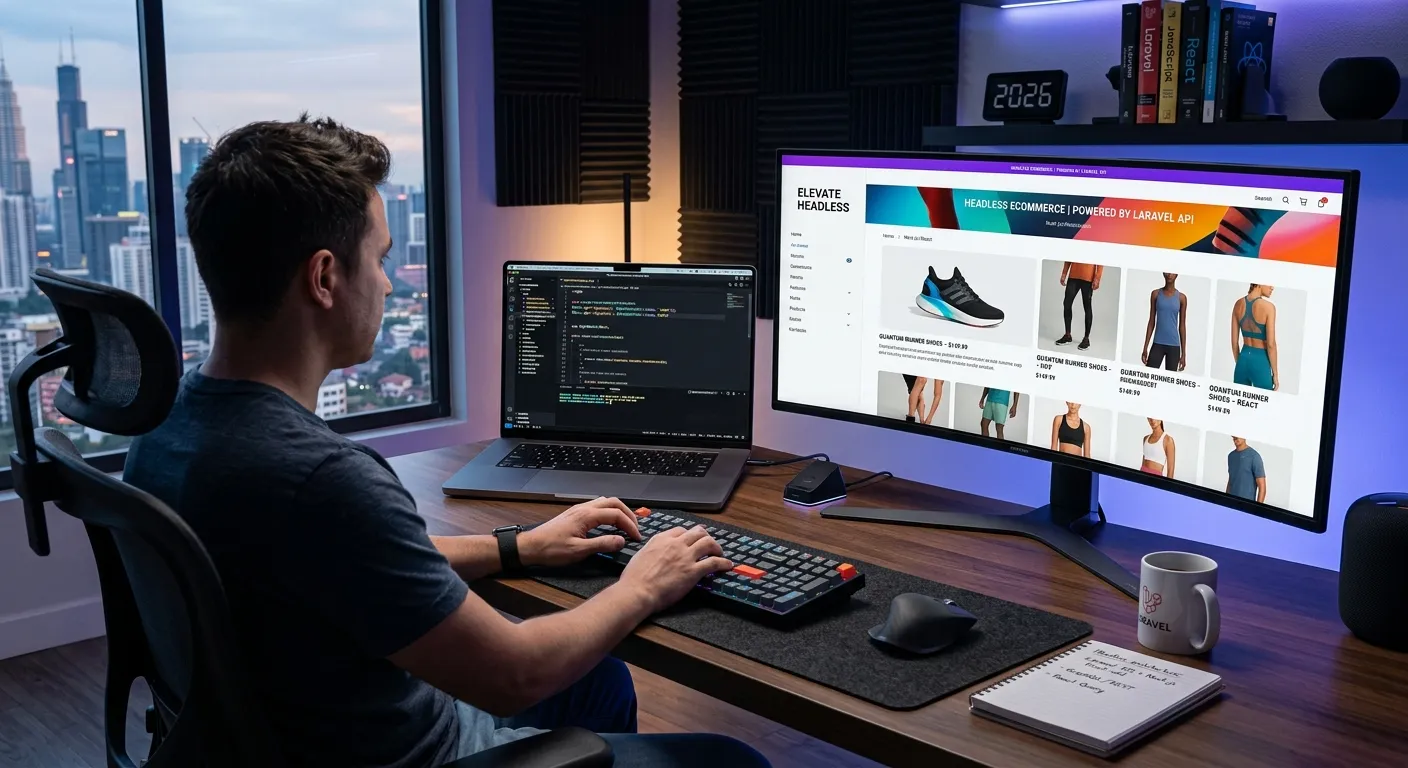
As we progress into 2026, the demand for agile, scalable, and developer-friendly content management systems is higher than ever. A Laravel-based headless CMS stands at the forefront of this evolution, offering unparalleled flexibility for crafting modern digital experiences. By decoupling the content backend from the presentation layer, businesses gain the freedom to publish content across websites, mobile apps, IoT devices, and more from a single, powerful Laravel-powered source.
This paradigm shift is not just about technology; it's about future-proofing your digital strategy. Platforms like Waravel are leading the charge, transforming Laravel from a robust PHP framework into a comprehensive, headless-ready CMS platform that empowers developers and content teams alike.
API-First Architecture
Deliver content as structured data via RESTful or GraphQL APIs, enabling seamless integration with any front-end technology like React, Vue.js, or native mobile applications.
Explore Features →Laravel CMS Blade Components
Even in a headless context, Laravel's powerful Blade templating engine remains a vital tool for admin panels, internal tools, and rapid prototyping, ensuring development speed doesn't suffer.
Learn About No-Code Management →Future-Proof Scalability
Leverage Laravel's queuing, caching, and database optimization out-of-the-box. A headless setup inherently supports global content delivery and peak traffic loads.
Compare CMS Solutions →Why 2026 is the Year for Laravel Headless CMS
The digital landscape is converging on omnichannel experiences. A monolithic CMS often creates bottlenecks, slowing down development and limiting where content can live. The laravel headless cms 2026 ecosystem solves this by providing a robust, secure backend (Laravel) that serves content dynamically, while completely custom front-ends consume it. This is ideal for projects requiring:
- Progressive Web Apps (PWAs) and Single Page Applications (SPAs).
- Multi-brand or multi-region websites from a single content hub.
- Mobile applications (iOS & Android) that share content with a web presence.
- Integration with emerging channels like digital kiosks, VR, and voice assistants.
Pro-Tip: The Migration Path
Many organizations in 2026 are transitioning from legacy systems like WordPress to gain the performance and developer benefits of Laravel. Tools like Waravel's automated migration tool ensure a seamless transition, moving content, users, and even SEO metadata without data loss. This allows teams to adopt a modern laravel headless cms architecture without starting from scratch.
Watch our detailed walkthrough:
Practical Implementation & Getting Started
Implementing a headless CMS with Laravel involves structuring your project to expose content via APIs while utilizing laravel cms blade components for efficient admin interface development. Platforms such as Waravel provide a significant head start, offering pre-built modules for posts, pages, media, menus, and user roles—all accessible via a clean API.
1. Install Your Laravel CMS Backend
Begin with a fresh Laravel installation and integrate a headless CMS package. For a complete solution, consider Waravel's packages, which handle authentication, content models, and API endpoints out-of-the-box.
Secure your environment and configure your API. Register for a license to unlock advanced features and support.
2. Structure Your Content API
Define custom post types, fields, and taxonomies within your Laravel admin. Use eloquent relationships and powerful laravel cms blade components to create an intuitive editing experience for non-technical users.
Explore the Waravel Community for best practices and shared component libraries.
3. Connect Any Frontend
Consume the JSON API from your Laravel backend in a Next.js site, a Flutter mobile app, or a static site generator. The headless approach provides ultimate frontend freedom.
For real-world examples, watch our tutorial on building a full-stack application:
Actionable Insights for 2026 Development Teams
Hire Specialized Talent
Adopting a Laravel headless CMS in 2026 requires a blend of Laravel expertise and modern frontend skills. To accelerate your project, consider bringing on developers who specialize in this stack.
Hire Laravel CMS Developers TodayContinuous Learning & Support
The ecosystem evolves rapidly. Leverage the official support channels and comprehensive documentation to stay ahead of trends and solve complex challenges.
Compare pricing plans to find the right tier for your team's needs, from solo developers to enterprise deployments.
Final Thoughts: The Strategic Edge
Choosing a laravel headless cms 2026 strategy is more than a technical decision; it's a business one. It offers scalability, improved site performance, enhanced security inherent to Laravel, and a superior developer experience. By centralizing content management in a system you control, you break free from vendor lock-in and create a foundation for innovation.
Whether you're migrating an existing site using automated tools or building a new omnichannel platform from the ground up, the Laravel ecosystem provides all the tools necessary for success. Start your journey by exploring the Waravel Portal and experience the power of a modern Laravel CMS firsthand.
Ready to Build the Future?
Transform your content strategy with a Laravel-powered headless CMS. Get started with Waravel and unlock enterprise-grade features with zero coding overhead.