Master Global Content: Your Guide to a Powerful Laravel CMS Multi-Language Solution
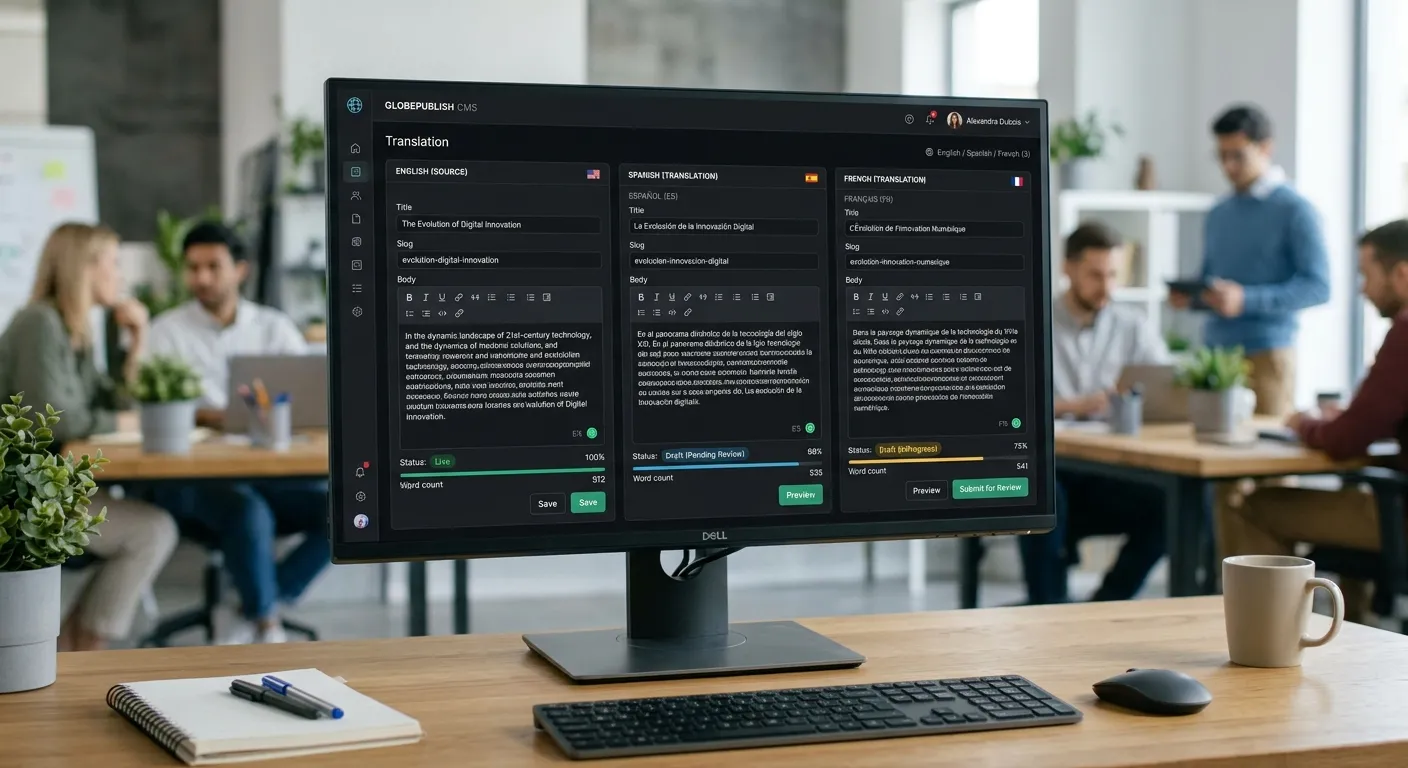
In today's interconnected digital landscape, reaching a global audience is not just an advantage—it's a necessity. A Laravel CMS multi-language system provides the robust, scalable foundation needed to manage and deliver content seamlessly across different regions and languages. This comprehensive guide explores why a Laravel-based CMS is the superior choice for multi-language projects and how you can implement one to elevate your digital presence.
Why Choose a Laravel CMS for Multi-Language Projects?
Laravel, as a PHP framework, is renowned for its elegant syntax, powerful features like Eloquent ORM, and a vibrant ecosystem. When these strengths are channeled into a Content Management System (CMS), you get a developer-friendly platform that is inherently secure, maintainable, and perfect for complex requirements like multi-language support. Unlike monolithic platforms, a Laravel CMS offers a modern alternative with unparalleled flexibility.
Architectural Advantages
Laravel’s middleware, localization helpers, and package ecosystem make implementing multi-language logic clean and structured. You can manage language files, database translations, and locale-based routing without the bloat, ensuring your application remains performant as you add more languages.
- Built-in Localization: Use Laravel's __() helper and translation files for static content.
- Database-Level Translations: Store dynamic content (pages, posts) in related translation tables for full editorial control.
- Locale-Specific Routing: Create SEO-friendly URLs like `/en/blog` or `/es/blog` to boost international SEO.
Key Features of a Superior Multi-Language CMS
A professional Laravel CMS multi-language system goes beyond simple text substitution. It encompasses the entire content workflow.
- Centralized Media Management: A single media library that serves all languages, with the ability to caption or alt-tag media per locale.
- Granular User Permissions: Assign editors or translators to specific languages, maintaining content integrity.
- SEO Metadata Control: Manage unique meta titles, descriptions, and Open Graph tags for each language version of a page.
- Fallback Locale Logic: Automatically display content in a default language if a translation is missing, ensuring a complete user experience.
Pro Implementation Strategies
Success requires planning. Start by defining your locale strategy—will you use subdirectories (`/fr/`) or subdomains (`fr.example.com`)? Use Laravel's `app()->getLocale()` to scope all your queries. For database content, employ polymorphic relationships or dedicated translation packages like `spatie/laravel-translatable` to keep your schema elegant.
Pro-Tip: Don't forget right-to-left (RTL) language support. Ensure your CMS front-end theme can dynamically switch CSS directionality (e.g., `dir="rtl"`) for languages like Arabic or Hebrew. This level of detail is what separates a good multi-language site from a great one.
If you're moving an existing multilingual site (e.g., from WordPress with a plugin like WPML), a manual migration is risky and time-consuming. Automated tools are essential for preserving language-specific content, URL structures, and SEO value. A structured migration ensures no data is lost in translation.
Learn about automated migration strategies →From WordPress to a Laravel CMS: A Strategic Move
Many organizations begin their multi-language journey on WordPress. However, as scale and complexity grow, performance, security, and custom development needs often outgrow WordPress's capabilities. Migrating to a Laravel CMS multi-language platform like Waravel offers a path to enterprise-grade robustness.
Preserve Your SEO & Content Investment
The biggest fear in any migration is losing hard-earned SEO rankings and intricate multilingual content. The right tooling is critical. An automated WordPress to Laravel migration tool can handle this complexity, transferring posts, pages, custom fields, categories, tags, and their corresponding translations while maintaining URL redirects.
This process, which you can accomplish effortlessly, transforms a potentially months-long manual project into a managed, secure operation. It's the smartest move for safeguarding your global data integrity.
Getting Started with Your Multi-Language Laravel CMS
Ready to build or migrate? The journey is straightforward with the right platform. You can build and manage your Laravel CMS with zero coding, focusing on strategy and content instead of infrastructure.
Expand Your Capabilities & Find Support
A powerful CMS is defined by its ecosystem. Extend your multi-language site's functionality with pre-built modules from the Waravel marketplace, connect with other developers in the community forum, and access dedicated support whenever you need it. Whether you're managing a handful of languages or dozens, the right Laravel CMS multi-language solution provides the control, performance, and peace of mind needed to succeed on the global stage.
To begin architecting your global content hub, explore the full potential of a modern Laravel CMS today. If your development needs outstrip your current team's capacity, consider using our platform to hire expert Laravel staff today and accelerate your project.